
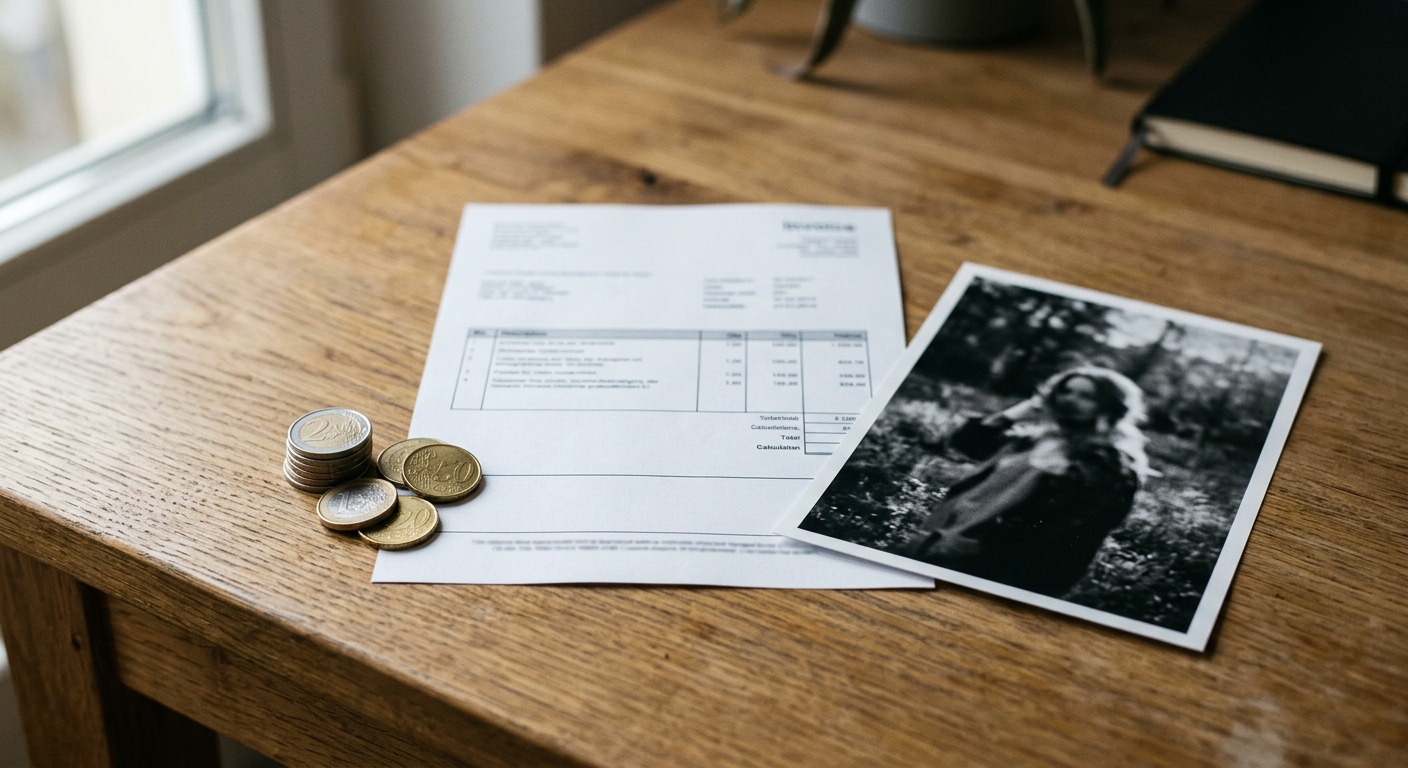
Most platforms are quietly optimised for one thing: keeping you on the page. More time on site means more ad impressions or more chances to upsell a subscription tier. The work itself becomes secondary — a reason to scroll, not the point of the exercise.
Picster earns a share of each sale and nothing else. There are no ads, no promoted slots sold to the highest bidder, and no monthly fee extracted from artists whether they sell or not. That single structural choice has a knock-on effect on almost every other decision we make.
What the money actually looks like
The base currency on Picster is the Euro. One download credit costs €0.15, and prices in other currencies — Australian dollars, for instance — are converted from that Euro figure using the live exchange rate, so nobody is quietly subsidising a fixed conversion margin. Artists set their own prices in credits. When a sale completes, the artist keeps 50% of the credit value; we keep 50%. That split is flat and the same for everyone.
There is no subscription. Buyers top up their credit balance once, spend it on work they actually want, and come back when they need more. Artists receive no invoice from us at the end of the month. If nothing sells, nobody pays anything.
Payouts are requested directly inside the app from the artist's wallet. There is no minimum wait period tied to a billing cycle, and no opaque "payment processing window" designed to hold onto money longer than necessary.
How this changes what we curate
Because we only make money when buyers find work worth buying, we have a direct reason to keep the catalogue honest. The featured queue is reviewed by a person, not ranked by an engagement algorithm. Work gets featured because it is strong and likely to interest buyers — not because the artist paid for placement or has the most followers.
This is not a moral position so much as a practical one. If we fill the front page with mediocre work, buyers stop converting, credits stop moving, and the whole thing stalls. Our incentive and the artist's incentive are pointed in the same direction.
What it does not fix
A commission model is not a perfect arrangement. A 50/50 split means we take a meaningful cut, and artists who sell high volumes will notice that. Discovery is still hard on any platform, and a human-curated queue can only feature so many people at once. Top-ups with no subscription suit casual buyers well but may feel less convenient for studios with regular, predictable volume.
We are not claiming this is the only legitimate way to run a marketplace. We are saying it is the model we chose, it shapes every decision we make, and you should understand it before deciding whether to sell here or buy here. The structure of a platform's revenue is one of the most honest things you can know about it.